
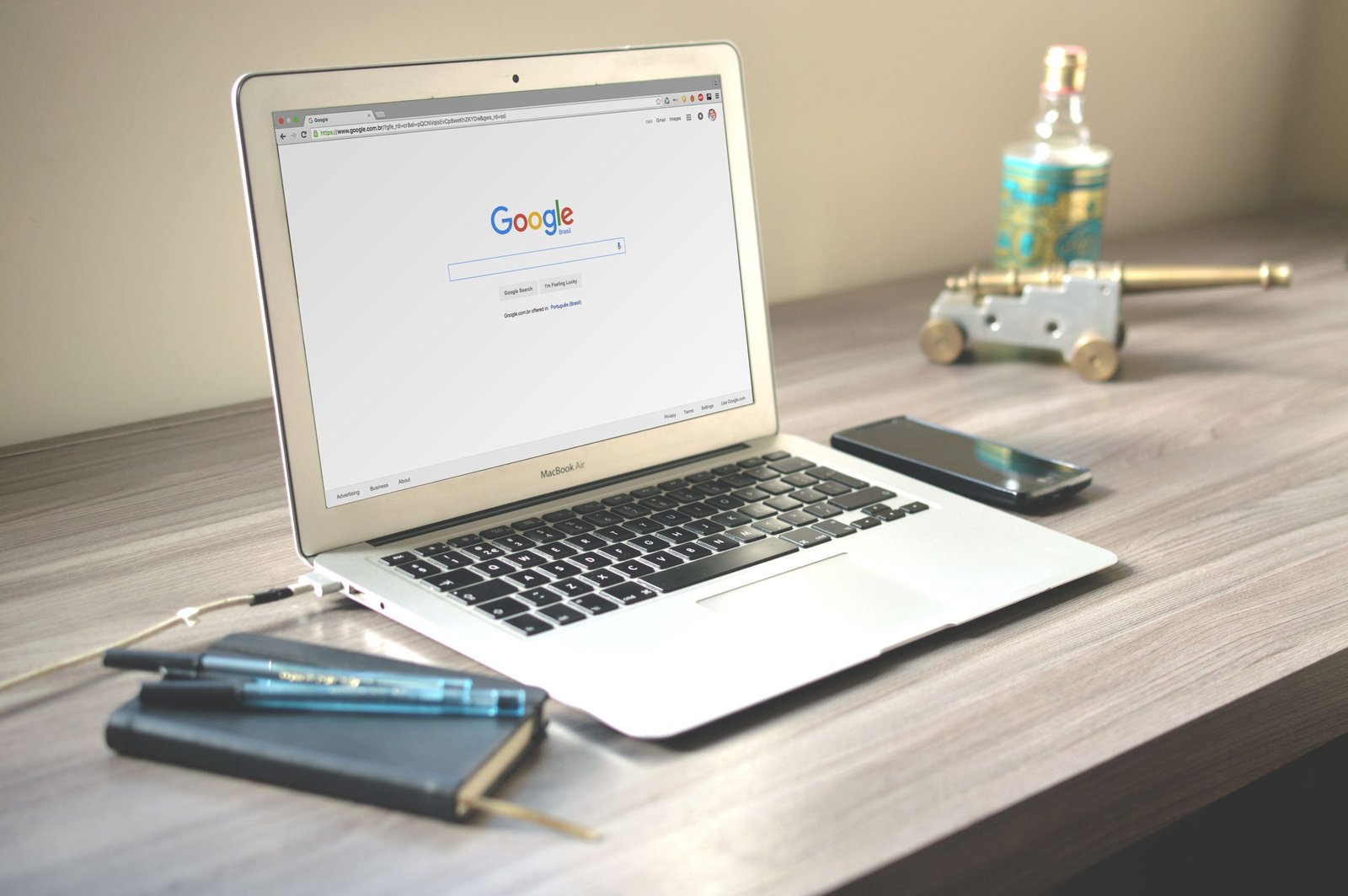
With more and more businesses moving onto the web, search engine optimisation (SEO) has become a major source of revenue for small businesses, as it creates traffic for websites. If you want to get traffic to your website, you must improve your search ranking for your relevant search terms. In this article, I am going to show you how to improve your search rank and be seen by more people on the internet. Read on and find out what SEO is all about and how you can apply it to your own website.
So, what’s the golden rule to achieving that number one page rank? Well, there isn’t a golden formula to guarantee you top spot, but you can ensure you have the basics covered. If you have spent any time at all reading up on SEO, then you will know that there are many elements to consider. Here I will look at three of the main components.
What counts?
The main elements that seem to make the biggest difference are your content, the links to your site and the structure of your site.
Site Content
The content of your site is important because search engines scan it and determine the relevancy of your site for a search term. Search engines do this by looking for keywords and phrases that relate to the search term used by the searcher.
What’s important is that you use appropriate keywords and phrases within the page content. You should also ensure that the content is well structured and easy to read.
It’s also important that you use the correct keywords in the correct places. For example, the title of the page is a good place to include keywords, as is the first sentence of the page, and the first sentence of each paragraph.
You should also ensure that your site has a good amount of content. A site with very little content is not likely to be ranked highly by search engines.
Links
Links have become very important in SEO. If you think about it, it makes sense that search engines would look at how many other sites link to your site, and how important those sites are, to determine how important your site is.
If you have a lot of links from other sites, then your site is likely to be ranked higher than a site with very few links. However, it’s not just the number of links that counts, it’s also the quality of the links. A link from a site that is highly ranked by search engines is worth more than a link from a site that is not highly ranked.
You should also ensure that the links to your site are from sites that are relevant to your site. For example, if your site is about gardening, then a link from a gardening site is worth more than a link from a site about cars.
Structure
Structure is also important in SEO. I would recommend close attention to the structure of your site, as it can make a big difference to how search engines rank your site.
CSS drastically reduces the clutter in the HTML. Design and content are separated, which makes it easier for search engines to find the content of your site.
You should also ensure that your site is easy to navigate. If a search engine cannot find its way around your site, then it will not be able to rank it highly.
How do the three elements work together?
Content, links and structure do not work on their own. They support each other, and a weakness in one will hold back the other two. Content is what ranks: a page that answers the question properly, in plain words, with an example. Links are what give the page authority: other sites linking to it, and your own site linking to it from related pages, tell Google the page matters. Structure is what lets Google find and understand it: clear headings, a clear address, and a clear path from the homepage to the page.
Think of it as a shop. Content is the goods on the shelves. Links are the recommendations from people who have been there. Structure is the signposts and the aisles that let a visitor find what they want. A shop with good goods but no signposts will lose visitors. A shop with good signposts but empty shelves will lose them too. A small business site needs all three, even if each one is simple. A clear page, a few good links, and a clean structure will beat a site that does one of them brilliantly and ignores the other two.
To check the technical side of structure, work through our guide to the technical SEO checklist for WordPress beginners. It lists the checks in order, from the ones that matter most to the ones you can leave for later. And if you are starting from nothing, read our guide to SEO for WordPress beginners step by step, which puts content, links and structure into a single order you can follow from the first page to the first result.
What should you fix first on a new site?
Fix structure first, then content, then links. Structure first, because Google cannot rank a page it cannot find or cannot read. Make sure every page has one clear heading, a short address that says what the page is about, and a link from the homepage or from a category page. Make sure the site works on a phone and loads quickly. These are quick fixes, and they make everything else work better.
Then fix content. Pick the ten pages that matter most, and make each one answer its question properly, with a direct answer at the top, headings that cover the question, and one example. Do not write fifty thin pages. Ten good pages will bring more visitors than fifty thin ones, and they are easier to keep up to date.
Then build links. Start with your own internal links, which cost nothing: link each page to the related pages on your own site, using words that say what the linked page is about. Then earn links from outside by writing something worth linking to, such as a helpful guide or a clear answer to a common question. Do not buy links. Bought links can harm the site, and they do not last.
| Element | What good looks like | Common mistake |
|---|---|---|
| Content | Answers the question, plain words, one example | Repeating keywords, thin pages, no direct answer |
| Links | A few links from relevant sites, plus clear internal links | Buying links, linking to unrelated pages |
| Structure | One heading per page, short addresses, clear menu | No headings, long confusing addresses, orphan pages |
Other Ideas
There are other ways to get visitors to your site; two ways are paid advertising and offline advertising.
Google’s AdWords programme allows you to advertise your website on the search engine results pages. Listing prices are ordered by how much you are prepared to spend for the client, click, so setting a low click price will save you money in one respect, but you may be so low down the list that no one ever clicks through. Offline advertising is another way to get visitors to your site, but it is not as targeted as online advertising.
I hope this article has given you some ideas on how to improve your website’s search rank. If you would like to know more about SEO, please contact us.
As I have said previously, there is no golden formula to achieve that number one rank, but these elements mentioned seem to be important. The web is full of SEO advice. I would recommend reading a few articles, and certain themes will emerge.