
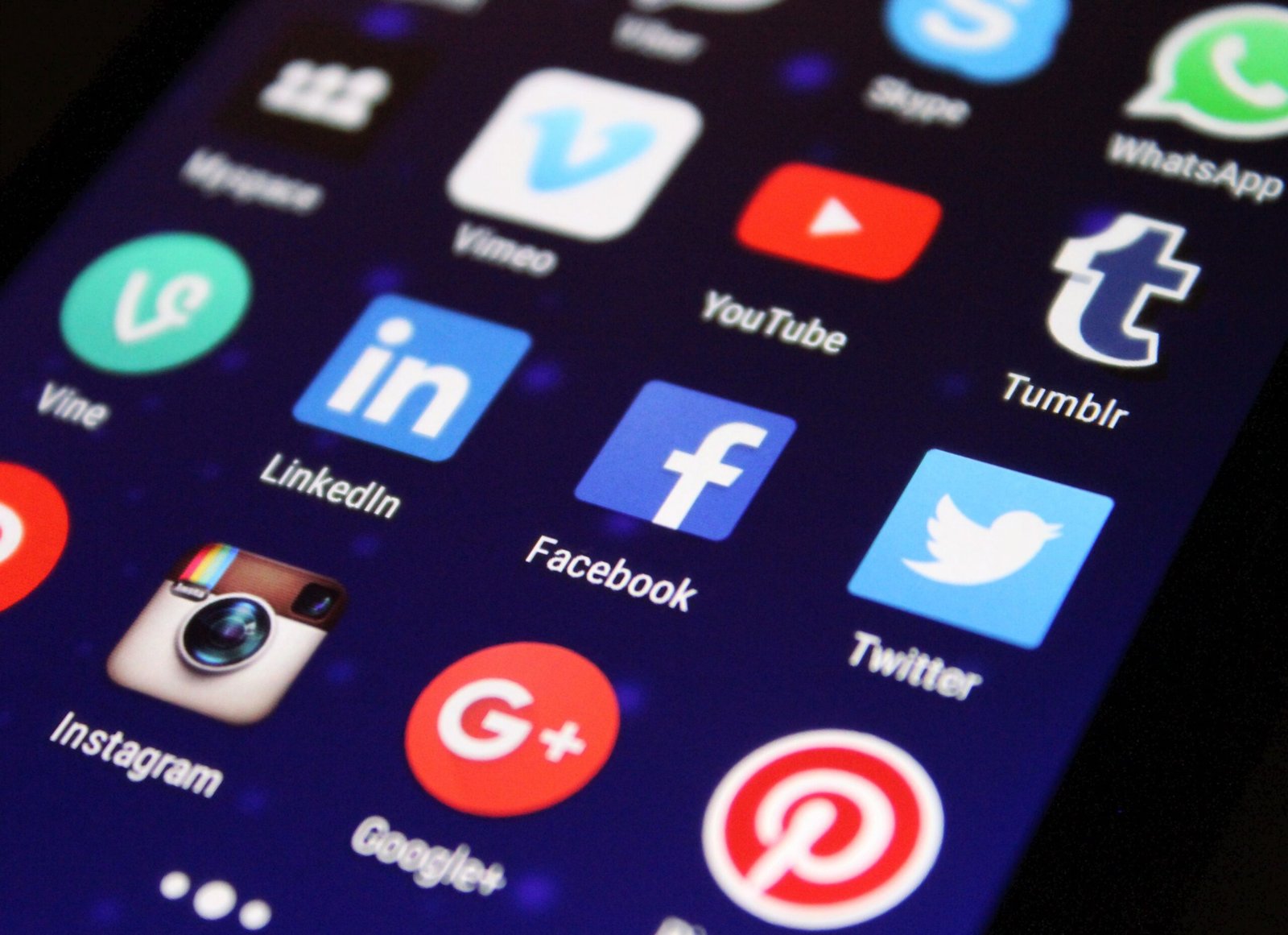
Direct answer: Social networking means using online platforms to connect with people, share updates, photos and videos, join groups, and follow topics you care about. It is different from social media marketing, which is a business use of the same platforms. For most people, social networking is a way to keep in touch with friends and family, meet people with shared interests, and learn from others. It works best when you use it with purpose and protect your privacy.
How social networking started
Social networking began with simple sites that let people create a profile, add friends and share messages. Early sites were small and focused on one group, such as students or hobbyists. Over time, platforms grew to cover photos, videos, live streams, groups and messaging in one place. Mobile phones changed the habit. People now check social networks many times a day, often in short bursts. The core idea has not changed. It is still about people connecting with people, but the tools are faster and the audience is larger. That scale brings benefits and risks, which is why privacy and time management matter more now than they did at the start.
What you can do on a social network
A social network lets you do a few basic things well. You can create a profile that shows who you are and what you like. You can add friends, family and colleagues, and follow people whose work you enjoy. You can share text, photos, videos and links, and comment on what others share. You can join groups about a hobby, a place, a cause or a job, and take part in discussions. You can send private messages, make video calls, and share events. Most platforms also let you save posts, follow pages, and control what you see by muting or unfollowing accounts that do not interest you.
Social networking for personal life
For personal use, social networking helps you keep in touch across distance. Family members can share photos, friends can plan a meeting, and old classmates can find each other again. Groups can help you learn a skill, find local events, or get support for a shared interest. The best use is active and specific. Comment with care, share what is useful, and keep in touch with a small number of people well, rather than collecting hundreds of contacts you never speak to. Set a time limit if you find yourself scrolling without purpose. A network that supports real relationships is more useful than one that only fills time.
Social networking for work and learning
Social networking can also help your work, if you use it with a clear aim. You can follow experts in your field, join professional groups, share your own work, and learn about jobs and events. A clear profile, with a photo and a short description of what you do, helps people understand who you are. Share work that shows your skill, and comment on other people’s work with useful points. Avoid sharing anything that could harm your job or your reputation. Keep personal and work content separate where you can, by using privacy settings and by thinking before you post. A professional network grows slowly, through useful posts and honest replies, not through adding as many contacts as possible.
Privacy, safety and time
Privacy is the part most people ignore until something goes wrong. Check your privacy settings at least once a year. Decide who can see your posts, who can find you by search, and who can tag you in photos. Do not share your address, phone number, travel plans or financial details in public posts. Be careful with friend requests from strangers, and check the profile before you accept. If someone is rude or threatening, block them and report them using the platform tools. Watch your time too. Set a daily limit, turn off notifications that pull you back, and keep your phone away at meals and before sleep. Social networking should support your life, not take it over.
Common mistakes to avoid
Sharing too much personal information is the most common mistake. The second is arguing in public with strangers, which rarely changes a mind and often harms your reputation. The third is believing everything you read. Check the source before you share a claim, especially about health, money or news. The fourth is spending time on a platform that does not serve your goal. If a network makes you feel worse, change how you use it, or leave it. You can keep the contacts that matter by moving the conversation to messages, email or a phone call.
Table (Use | What it is good for | What to watch):
| Use | What it is good for | What to watch |
|---|---|---|
| Keeping in touch | Family, friends, old contacts | Privacy settings and personal details. |
| Learning | Groups, experts, how to guides | Check the source before you share. |
| Work | Professional groups, job news, portfolio | Reputation, keep work and personal separate. |
| Hobbies | Shared interests, local events | Time, avoid endless scrolling. |
| News and topics | Following subjects you care about | False claims, check before you trust. |
Frequently asked questions
What is the difference between social networking and social media? Social networking is the act of connecting with people on a platform. Social media is the wider term for the platforms and the content on them, including business use, advertising and publishing.
Is social networking safe? It can be safe if you use privacy settings, share little personal information, and are careful with strangers and links. Check your settings regularly and report abuse using the platform tools.
How much time should I spend on social networking? There is no fixed limit that suits everyone. Set a daily limit that leaves time for work, sleep and real contact, and review it if you feel you are scrolling without purpose.
Conclusion
Social networking is a tool for connection, learning and sharing. It works best when you know why you are using it, when you protect your privacy, and when you keep the focus on real relationships. Use it with purpose, check your settings, and let it support your life rather than fill it.
Read our guide to beginner blogging tips. Read our guide to an effective email strategy.